
Biomedical Sports Podiatry
Sports Injury Treatment in Forster
We use advanced movement analysis and tailored treatment plans to support long-term foot function, mobility, and performance.
Advanced Treatment
Targeted Injury Recovery
When pain or injury interrupts training, the right approach can make all the difference. At Biomedical Sports Podiatry, athletes in Forster receive expert care designed to get them moving again with confidence.
Sports injury treatment focuses on identifying the true cause of pain, restoring proper movement patterns and helping prevent the same issue from returning. This includes assessing biomechanics, reviewing training loads, analysing footwear and addressing muscle or joint imbalances contributing to the injury.
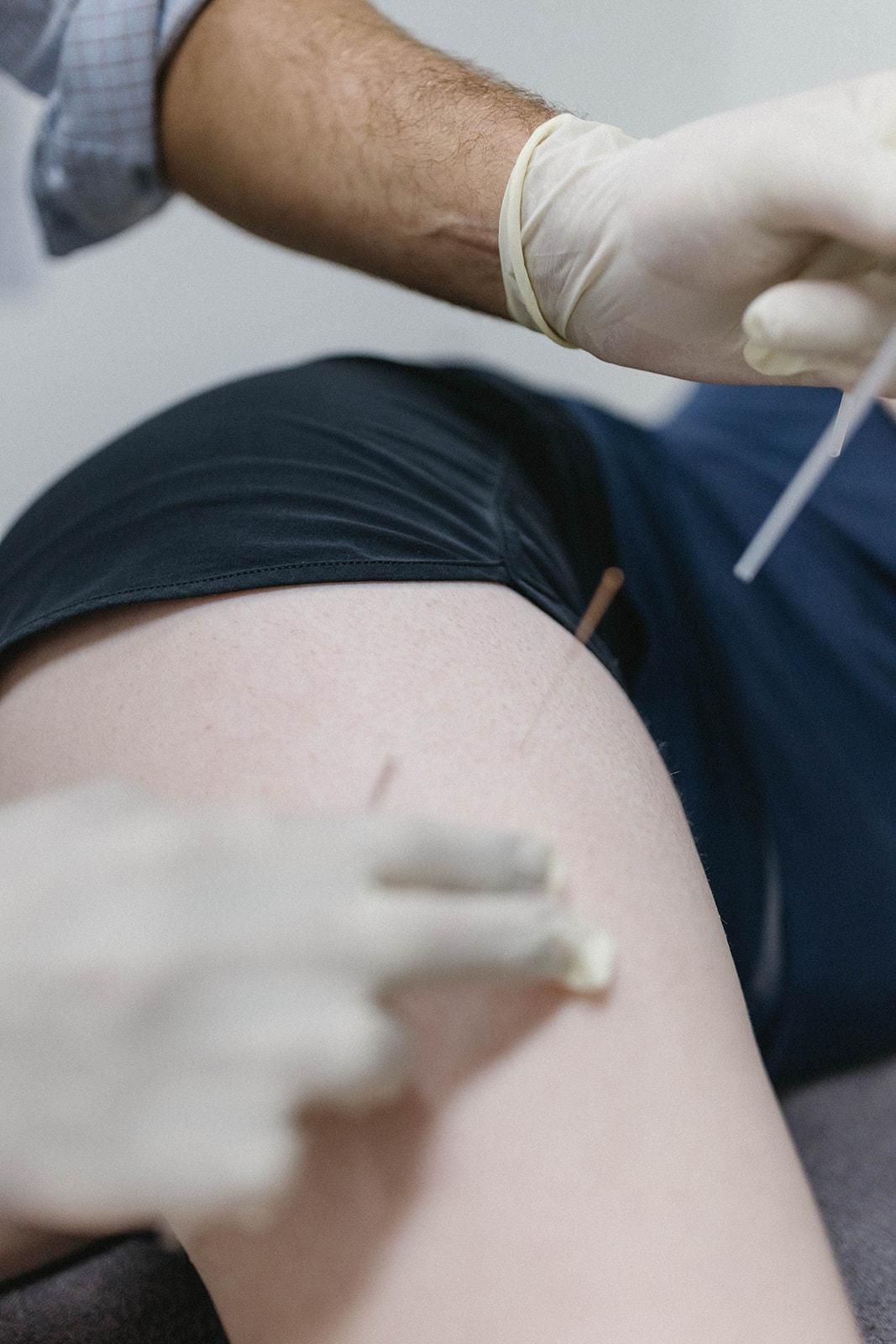
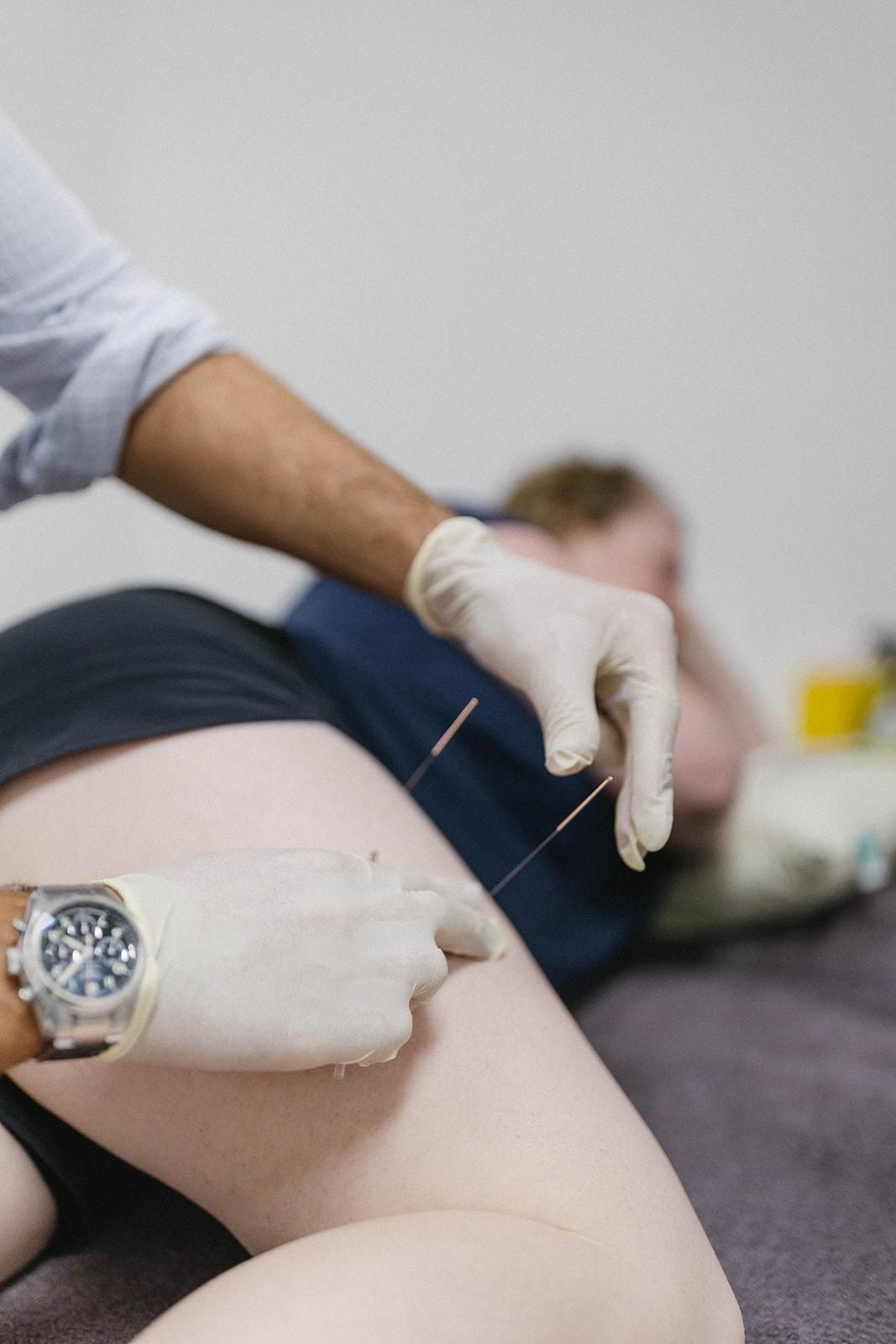
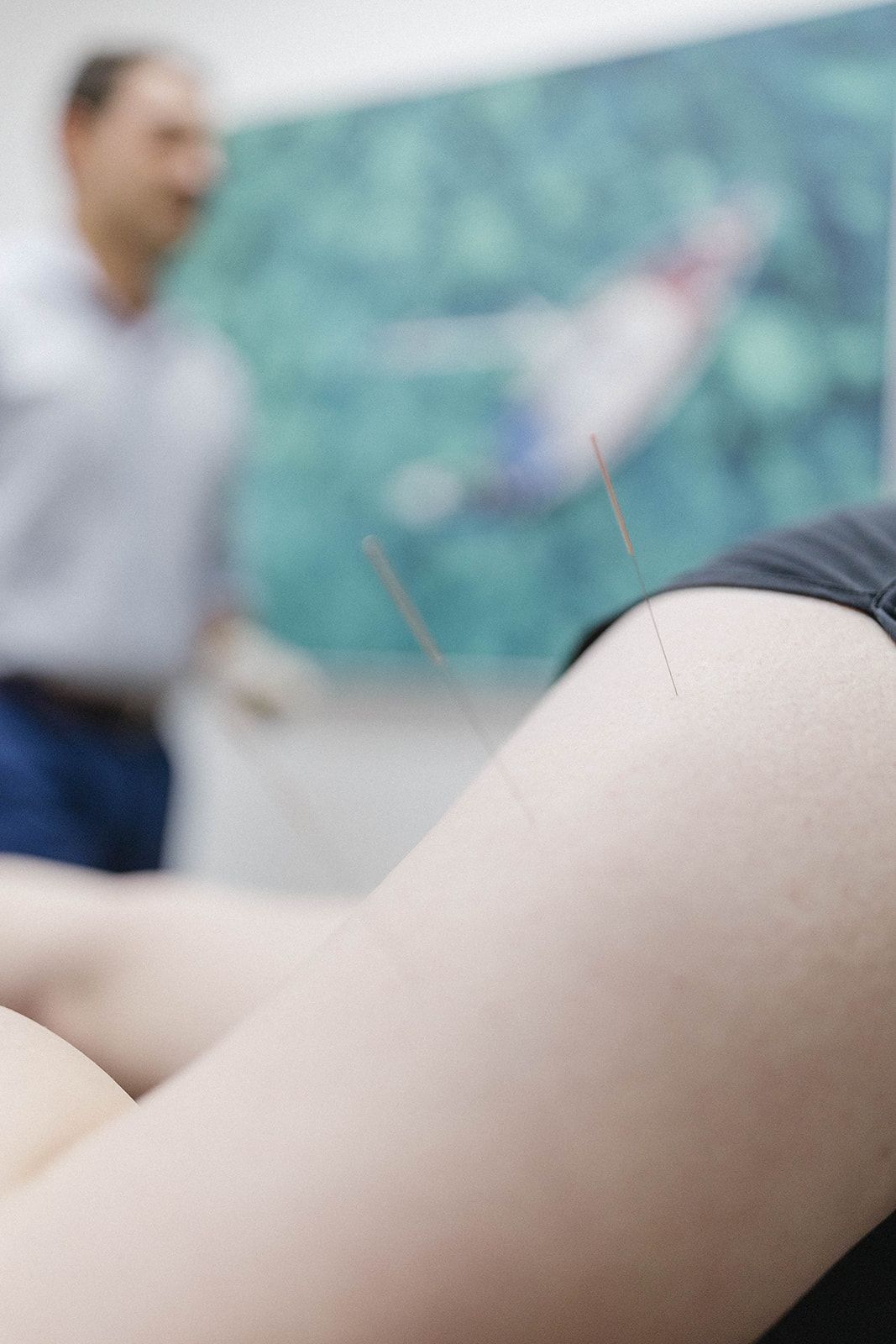
Treatments may include manual therapy, dry needling, taping,
shockwave therapy, load modification, orthotic intervention and targeted rehabilitation exercises. Each plan is tailored to the individual, ensuring every athlete gets the right level of support for their sport, intensity and goals.
For personalised sports injury treatment, contact
0466 691 935.
Long Term Support
Restore Strength & Function
Sports injury recovery isn’t just about easing pain; it’s about rebuilding strength, movement control and resilience so the body can handle future training demands. A well-structured treatment plan helps correct biomechanical issues, guide athletes through load progression and ensure tissues adapt safely as activity increases.
This approach benefits athletes managing chronic conditions such as plantar fasciitis, Achilles tendinopathy, shin splints, stress reactions and joint pain. It’s equally effective for acute injuries where early intervention can significantly reduce recovery time.
By combining hands-on treatment with evidence-informed rehabilitation and practical guidance, athletes can return to their sport with improved performance, reduced discomfort and a lower risk of re-injury. This empowers active individuals to train smarter, move better and maintain long-term foot and lower-limb health.
Need Help?
Frequently Asked Questions
What is the best treatment for a sports injury?
The best treatment depends on the type, severity and cause of the injury. Most cases benefit from a combination of rest from aggravating activities, manual therapy, strength-based rehabilitation, load management and biomechanical correction. Evidence-based treatments such as shockwave therapy, dry needling and functional exercise programs can help reduce pain and speed healing. Identifying underlying issues — like poor mechanics, training errors or unsuitable footwear — also plays a key role in long-term recovery.
How long does it take to recover from a sports injury?
Recovery time can range from a few days to several months depending on the tissue involved, the chronicity of symptoms and how consistently treatment and rehabilitation are followed. Soft tissue injuries like muscle strains may heal relatively quickly, while conditions such as tendinopathy or stress-related injuries require gradual load progression. Early assessment and personalised treatment generally lead to faster, safer recovery.
Should I keep exercising if I have a sports injury?
Continuing to exercise with an injury can be safe, but only when the activity doesn’t worsen symptoms or place unhealthy stress on healing tissues. In many cases, modifying training—reducing intensity, changing movements or shifting to low-impact activities—allows athletes to maintain fitness without aggravating the injury. Professional assessment helps determine the safest way to keep active while recovering.


