
Biomedical Sports Podiatry
Shockwave Therapy in Forster
Shockwave therapy is an advanced, non-invasive treatment that helps reduce stubborn pain, improve mobility and accelerate healing when traditional methods haven’t provided lasting relief.
Advanced Technology
Fast Pain Relief Solutions
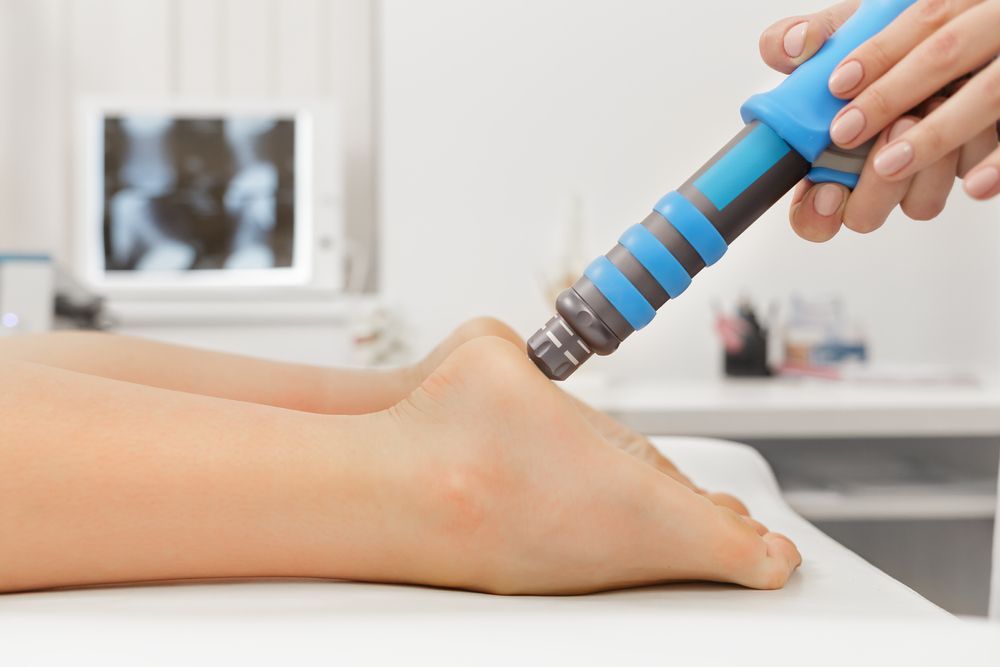
When long-term pain begins limiting movement, innovative treatment from a qualified sports podiatrist can make all the difference. At Biomedical Sports Podiatry, patients in Forster can access evidence-informed shockwave therapy designed to stimulate the body’s natural healing response.
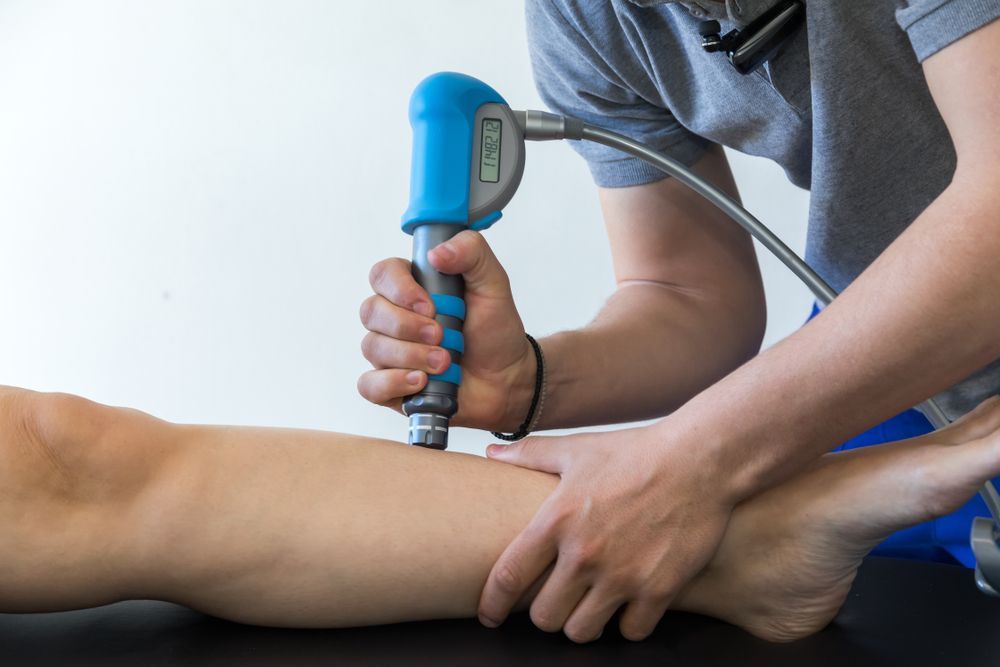
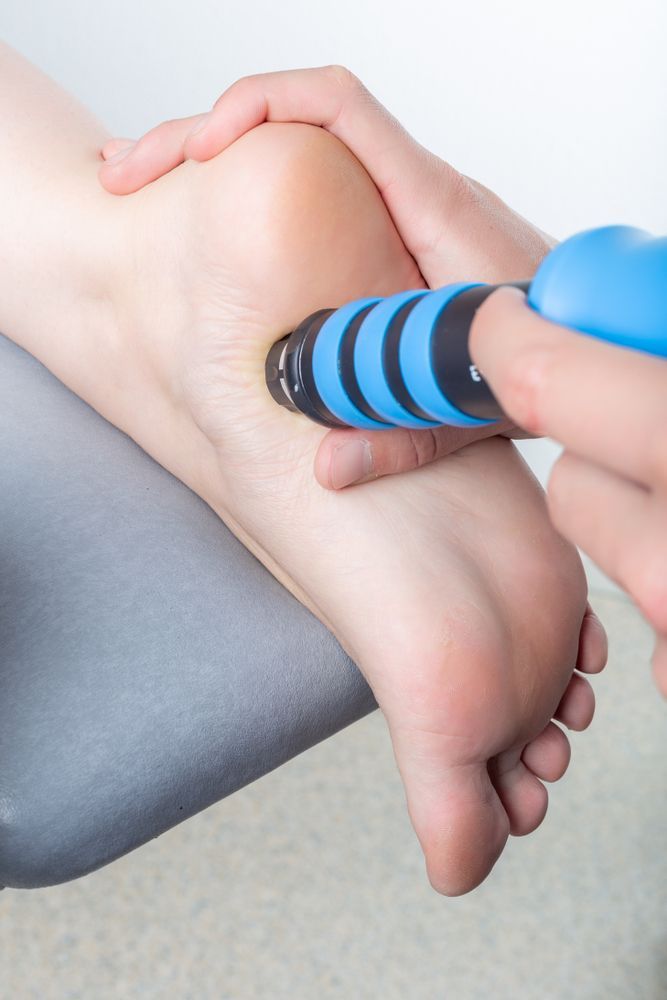
This treatment uses high-energy acoustic pulses to target injured tissue, breaking down adhesions, increasing blood flow and accelerating cell regeneration. Shockwave therapy is commonly used for chronic conditions such as plantar fasciitis, Achilles tendinopathy, shin splints, heel pain and other soft-tissue injuries that haven’t responded to stretching, rest or general strengthening alone.
During treatment, discomfort is minimal and sessions are quick, allowing patients to maintain normal activity while healing continues beneath the surface. Combined with load management, footwear guidance and functional movement retraining, shockwave therapy can significantly reduce recovery time and help people return to work, sport and daily life with greater comfort.
For expert shockwave therapy, contact
0466 691 935.
Targeted Healing
Restore Mobility & Function
Shockwave therapy isn’t just about easing pain — it’s about improving how the body responds to stress, movement and physical activity. By encouraging tissue repair at a cellular level, this treatment helps improve mobility, reduce stiffness and support stronger, healthier function over time.
Many people seek shockwave therapy after months of persistent discomfort, often caused by overuse, biomechanical imbalances or returning to activity too quickly. The treatment also supports recovery from tendon injuries, chronic inflammation and stress-related tissue fatigue, all of which can impact performance in both everyday life and high-intensity sport.
With regular sessions spaced appropriately, the cumulative effect of shockwave therapy can lead to long-lasting improvements. Patients often feel gradual changes in comfort, strength and movement quality, making it easier to walk, work, train and stay active without constant pain or restriction.
Hands-On Treatment
Manual Therapy
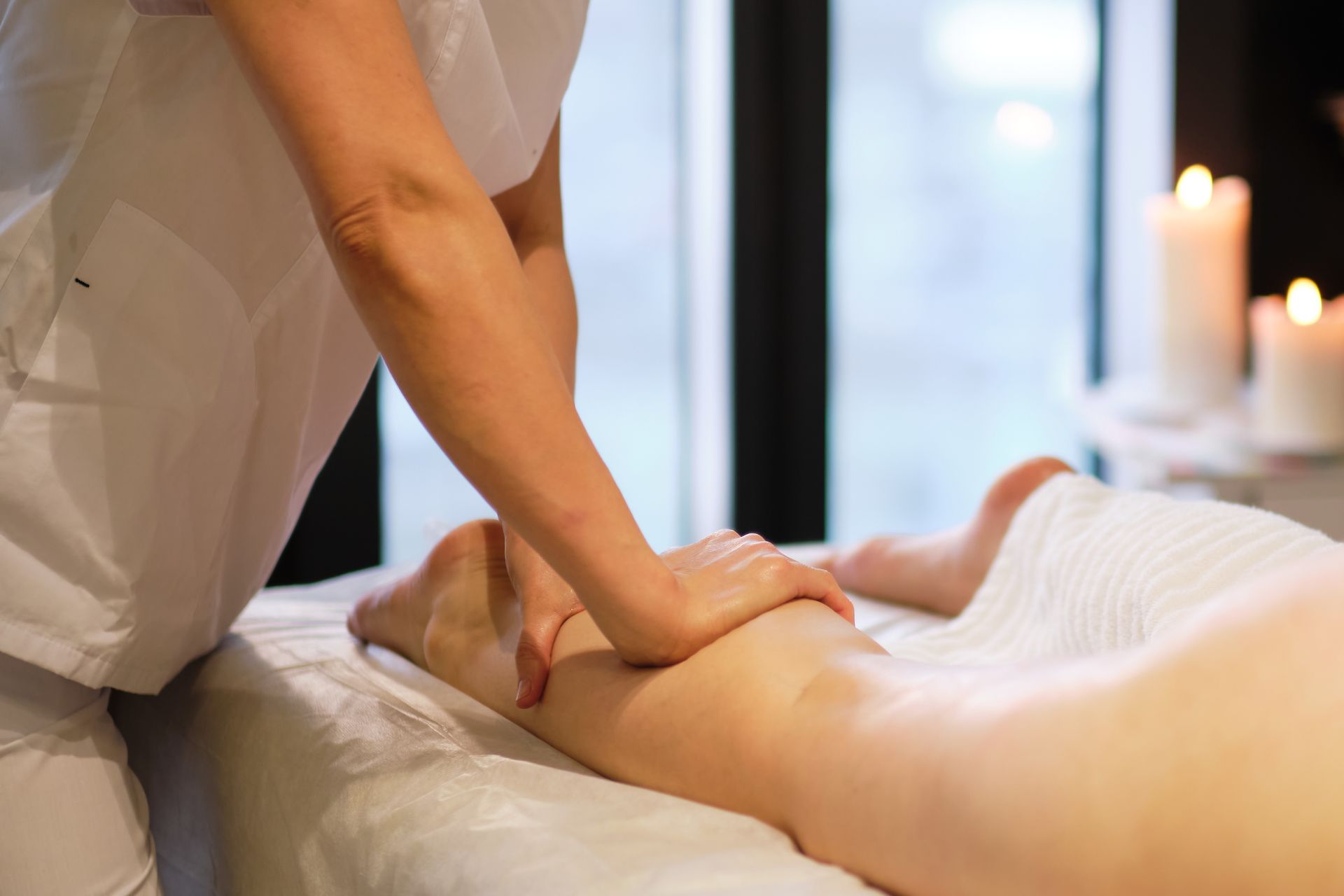
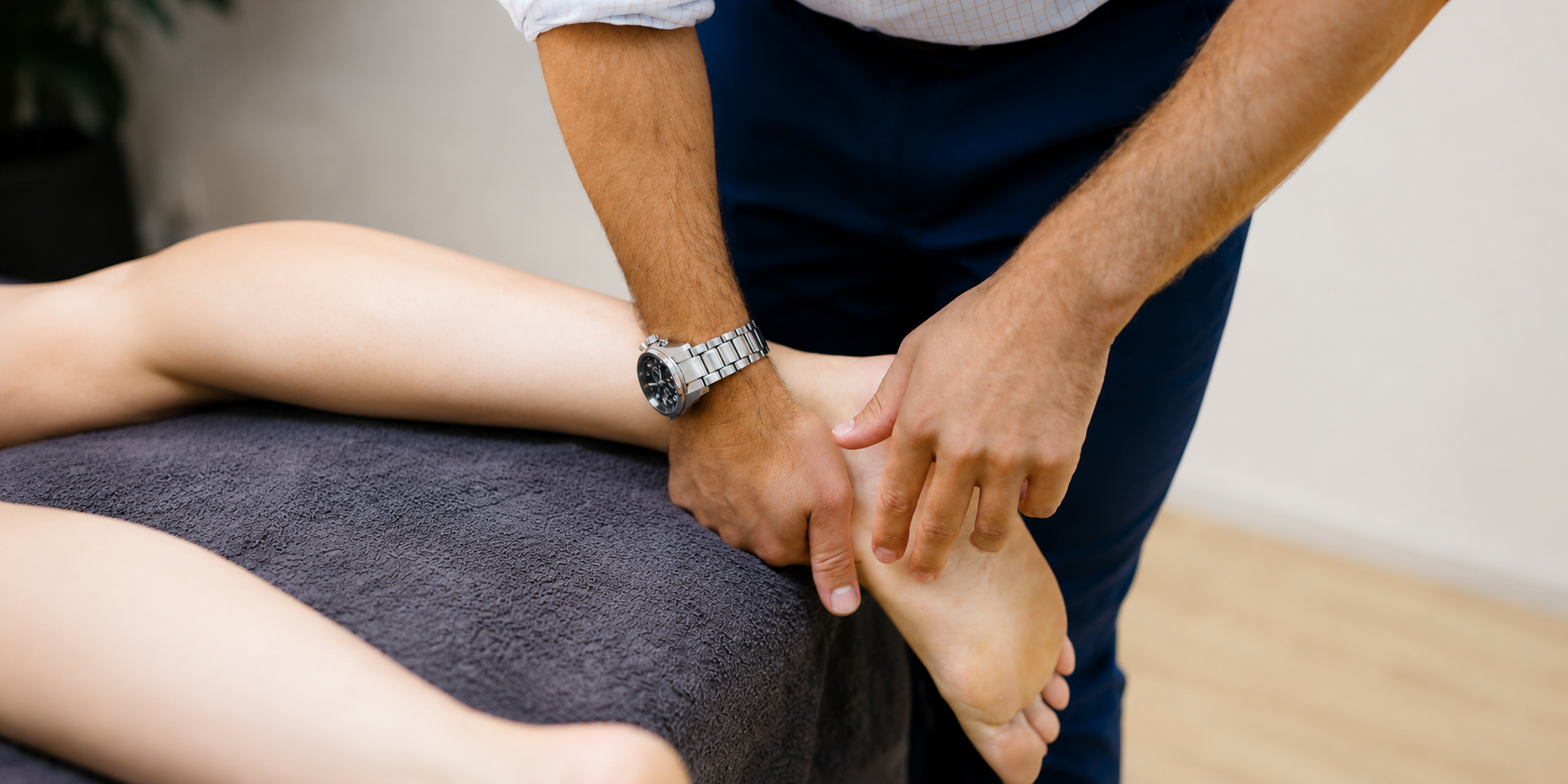
Manual therapy is a hands-on approach used to improve movement, reduce pain and support the body’s natural healing process. Techniques may include soft tissue release, joint mobilisation, muscle stretching and targeted pressure to relieve tension and restore proper function.
This type of therapy is particularly effective for tight muscles, joint stiffness, overuse injuries and discomfort caused by poor biomechanics. By improving circulation, reducing inflammation and enhancing mobility, manual therapy helps the body move more efficiently and comfortably.
It is often combined with exercise rehabilitation, gait correction or load management to achieve long-lasting results and support overall foot and lower-limb health.
Targeted Joint Care
Joint Therapy
Joint therapy focuses on restoring smooth, comfortable movement in stiff or irritated joints, particularly in the feet and lower limbs. Using gentle mobilisation techniques, this treatment helps improve joint function, reduce inflammation and enhance overall mobility.
It is especially beneficial for conditions caused by overuse, biomechanical imbalances or restricted movement patterns that place additional pressure on surrounding tissues. By encouraging proper alignment and increasing joint range of motion, joint therapy supports more efficient movement during walking, sport and daily activities.
When combined with strengthening and corrective exercises, it can contribute to long-term stability, reduced pain and improved physical performance.
Need Help?
Frequently Asked Questions
What conditions can shockwave therapy treat?
Shockwave therapy is used for a range of chronic and overuse conditions, particularly those involving tendons and soft tissue. Common examples include plantar fasciitis, Achilles tendinopathy, patellar tendinopathy, shin splints, heel spurs, bursitis and stubborn muscle tightness. It’s often recommended when symptoms have persisted for months and conservative treatments haven’t provided enough improvement. The therapy works by stimulating healing, increasing circulation and breaking down scar tissue that prevents proper recovery.
How long does it take for shockwave therapy to work?
Most people begin noticing improvements within three to five sessions, although some feel relief sooner. Because shockwave therapy promotes biological healing, results typically develop gradually. Tissue repair continues after sessions, meaning benefits may increase over several weeks. Chronic injuries may take longer, especially if the underlying cause — such as incorrect footwear, poor biomechanics or excessive training load — needs addressing alongside treatment.
Is shockwave therapy painful?
Shockwave therapy may cause mild discomfort during treatment, but it should never be intolerable. The sensation is often described as a tapping or pulsing feeling on the affected area. As inflammation reduces and tissue improves, sessions typically become more comfortable. Most people return to normal activities immediately afterward, as the treatment is non-invasive and requires minimal downtime.


